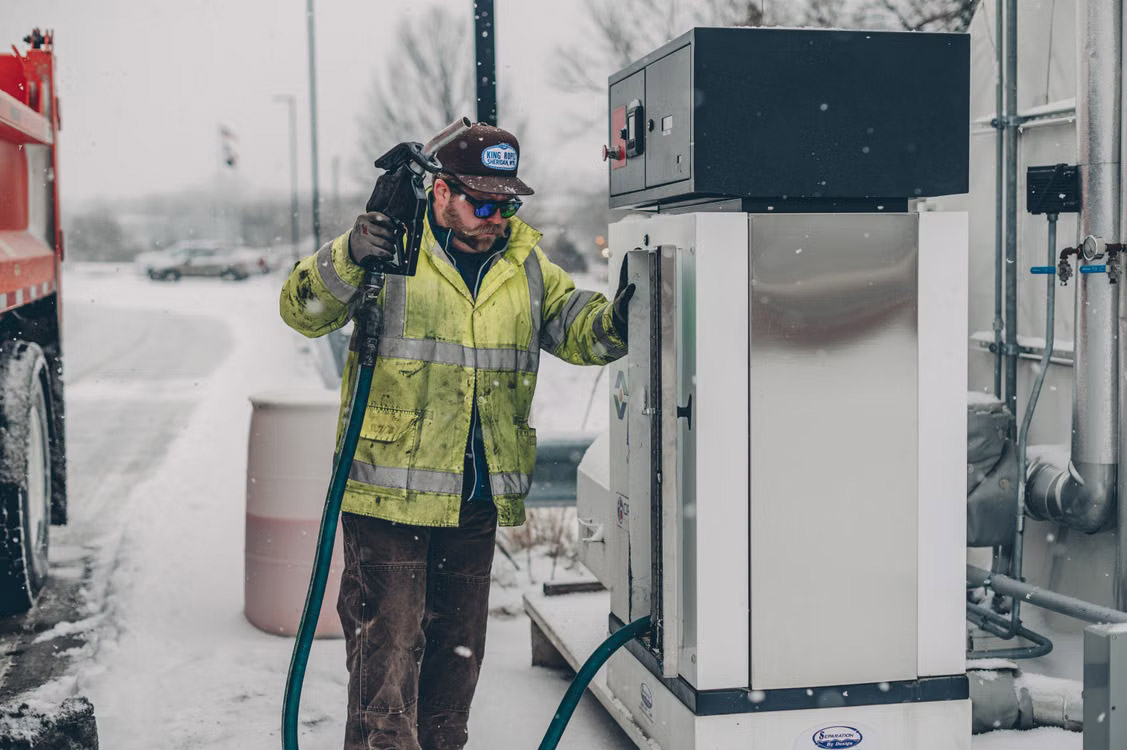
A fuel run looks like a small errand on paper. In practice, it pulls a piece of equipment or a driver off the job, sends them across town, and brings them back an hour or two later with a receipt to reconcile. Multiply that across a crew, a fleet, or a multi-week project, and the cost adds up fast, and that's before counting the staff time spent managing fuel levels and logistics in the background. On-site diesel delivery removes the trip entirely by bringing clean, on-spec fuel directly to the equipment. What Sending a Driver to the Pump Actually Costs The real cost of a fuel run isn't the diesel. It's everything the driver isn't doing while they're driving. A round trip to a fuel station typically eats 30 to 90 minutes depending on distance, traffic, and how busy the station is. That's paid labor time spent on a task that produces nothing. If a driver or operator makes that trip two or three times a week, you're losing several hours of productive time every month, per person. There's also wear on the vehicle making the trip, the fuel burned getting there and back, and the risk of a driver hitting a line at a busy station during peak hours. None of that shows up as a separate cost, but it's baked into every fuel run. What On-Site Diesel Delivery Changes On-site diesel delivery brings fuel directly to your equipment, fleet, or job site, so crews stay working instead of driving. A mobile fuel truck arrives on a scheduled or on-call basis and fills generators, heavy equipment, fleet vehicles, or...
Rent the wrong size generator and you're either running an overloaded unit that shuts down mid-shift or burning fuel on capacity you never needed. Neither option is cheap. Getting the sizing right before your equipment arrives saves you the headache, and this guide will walk you through exactly how to do it. Start With Your Total Power Load Generator sizing comes down to one number: your total running wattage, with enough overhead for startup surges. Every piece of electrical equipment on your site has two wattage figures. Running watts is what the equipment draws during normal operation. Starting watts (also called surge watts) is the spike it pulls when it kicks on, typically two to three times higher for motors and compressors. Your generator needs to handle the starting load of the largest motor on site while simultaneously powering everything else that's already running. To get your total: List every piece of equipment that will run on generator power Find the running watts for each (check the nameplate or equipment manual) Identify the single item with the highest startup surge Add running watts for everything, then add the startup surge for the biggest motor That final number is your minimum generator requirement. Choosing a unit with 20 to 25 percent more capacity than that minimum gives you room to add equipment or handle variable loads without stressing the machine. Common Power Loads on Colorado Construction Sites To give this some grounding, here are typical wattage ranges for equipment commonly found on Colorado job sites: Lighting: A string of work lights or a light tower draws 500 to 2,000 watts depending...
Temporary power is essential for construction projects, outdoor events, emergency backup systems, and infrastructure work. But before bringing a generator onto a job site or event location, many people ask an important question: Do you need a permit for a generator rental? The answer depends on several factors including the size of the generator, how long it will be used, where it will be installed, and the type of project it supports. In some situations, permits are required. In others, they are not. Understanding the general rules ahead of time can help prevent delays and ensure your project stays compliant with local regulations. This guide explains when permits may be required, what types of rules apply, and how to plan a generator rental that meets safety and compliance standards. Why Generator Permits Exist Permits for generators are typically related to safety, environmental impact, and electrical compliance. Generators produce electricity through combustion engines, which means they create noise, exhaust, and electrical load that must be managed responsibly. Local authorities may require permits for generators in order to: Ensure safe electrical connections Confirm proper ventilation and placement Limit noise in residential or commercial areas Monitor emissions from large engines Coordinate temporary power with building codes While smaller portable generators rarely require permits, larger systems used on construction sites, commercial facilities, or public events may need approval before installation. Situations Where a Permit May Be Required In many cases, generator rentals can be used without permits. However, certain conditions increase the likelihood that one will be needed. Large generators connected to buildings If a generator is wired directly into a building's...
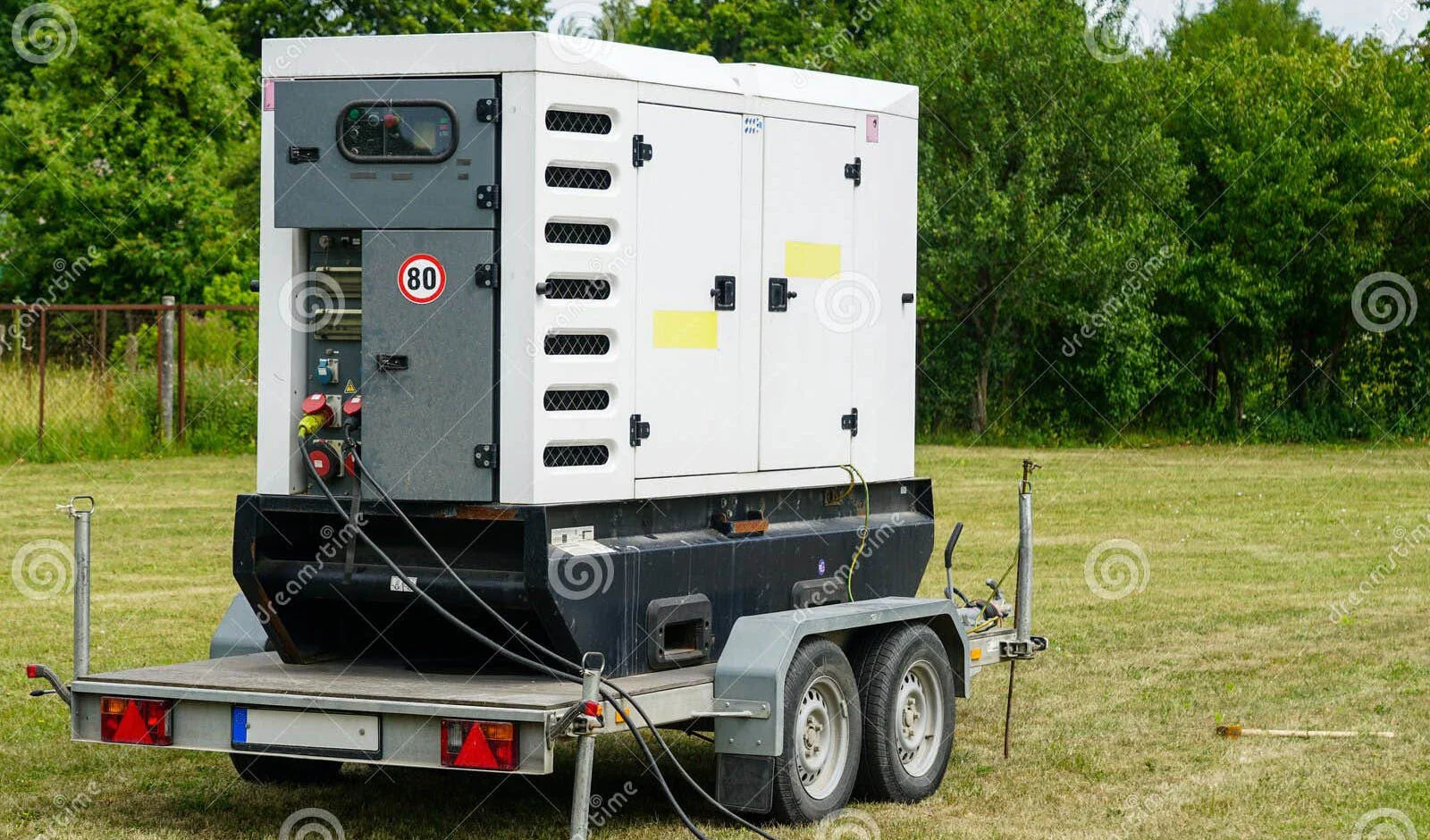
Reliable power is easy to take for granted until it’s gone. Whether you’re planning a large outdoor event, managing an active construction site, or preparing for an unexpected power outage, having the right generator rental can make the difference between smooth operations and costly downtime. This guide breaks down how to choose the best generator rental for your specific situation, with practical insights that help you make an informed decision. Why Generator Rental Makes Sense for Temporary Power For many applications, purchasing a generator simply isn’t practical. Generator rental provides access to dependable power without the long-term costs of ownership, storage, maintenance, and compliance. In Colorado, where weather conditions, elevation, and project timelines can change quickly, generator rental offers the flexibility to scale power solutions based on actual needs. From short-term event power to multi-month construction projects, renting allows you to match generator size and type to the job at hand. Generator rental also ensures you’re using equipment that is properly maintained, up to date, and compliant with current safety and emissions standards. Understanding Generator Sizes and Types Choosing the right generator rental starts with understanding generator capacity and fuel type. Oversizing can lead to unnecessary costs and equipment failure, while undersizing can cause equipment failure or power interruptions. Common generator rental categories Portable generators: Best for small loads, short-term use, and mobile applications. Towable generators: Ideal for construction sites and medium-scale events. Containerized generators: Designed for high-demand, long-term power needs. Standby-style temporary generators: Used for backup power during outages. Fuel type also plays a role. Diesel generator rentals are popular due to fuel efficiency, durability, and long runtime, making...